This post contains affiliate links. Purchases support Heart of Gold Sanctuary at no extra cost to you.
I've slowly swapped my closet, my sheets and my towels over to natural fibers (I wrote about that in Plastic Clothes vs. Wool and Linen). But a few years in, I realized the fiber is only half the story. What the fabric is colored with matters too, because that color sits against your skin all day long. So here's what I've learned about synthetic dyes, how to spot them, and the naturally dyed brands I love.
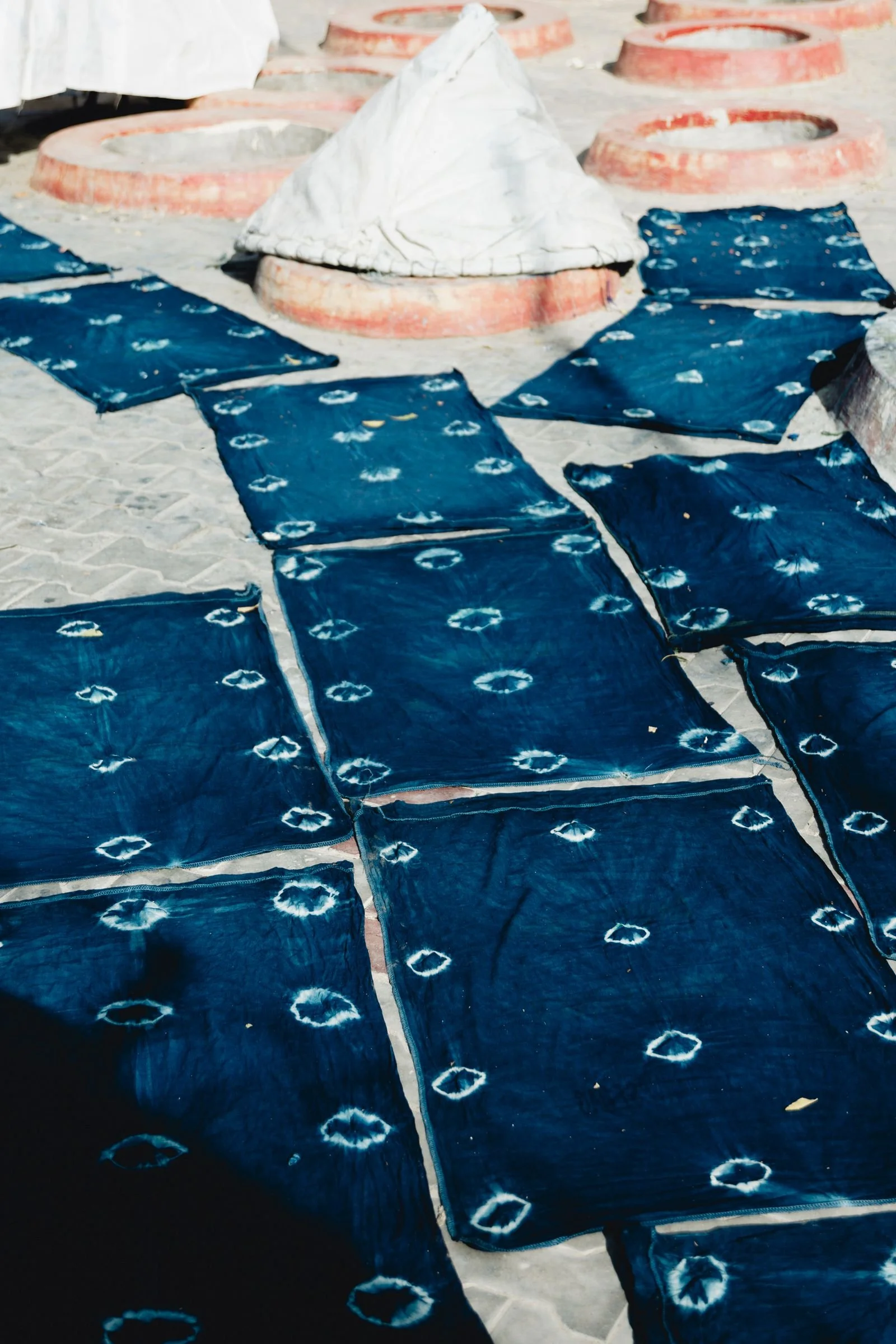
Most clothes are colored with synthetic dyes
Almost all clothing sold today, even organic cotton, is colored with synthetic dyes made from petrochemicals. Many are perfectly fine, but some carry leftovers you don't want near your skin. The European Union, for example, bans certain azo dyes in clothing worn against the skin because they can break down into chemicals linked to cancer. Dye houses also use heavy metals and fixing agents to make colors bright and permanent, and a lot of that ends up in rivers where the clothes are made.
Natural dyes come from plants, roots, bark, insects and earth: indigo leaves for blue, madder root for red, turmeric and marigold for yellow, walnut hulls for brown, and clay for soft pinks and terracottas. People have dyed cloth this way for thousands of years, and I love that the colors look alive.
How to spot synthetic dyes and chemical finishes
Read the label. Look for "undyed," "natural dye," "plant-dyed" or "botanically dyed." If it doesn't say, ask the brand. Brands that use natural dyes are proud of it and will tell you.
Look at the color. Neon brights and perfectly flat, identical colors are almost always synthetic. Natural dyes give soft, earthy, slightly varied shades that shift a little from piece to piece.
Expect gentle fading. Plant-dyed pieces mellow with time and sun. I think of it as character, not a flaw.
Watch for chemical finish words. "Wrinkle-free," "stain-resistant," "water-repellent" and "anti-odor" usually mean a chemical treatment, sometimes PFAS ("forever chemicals").
Look for certifications. GOTS covers organic fiber and restricts harmful dyes and finishes. OEKO-TEX Standard 100 means the finished fabric was tested for harmful substances.
Trust your nose. A strong chemical smell on new clothes is a red flag. Always wash new clothes before wearing them.
Start with what touches you most
You don't have to replace everything. I started with the things that sit closest to my skin for the most hours: underwear, bras, leggings, pajamas and sheets. Undyed or naturally dyed organic cotton, linen, wool and silk are my go-tos.
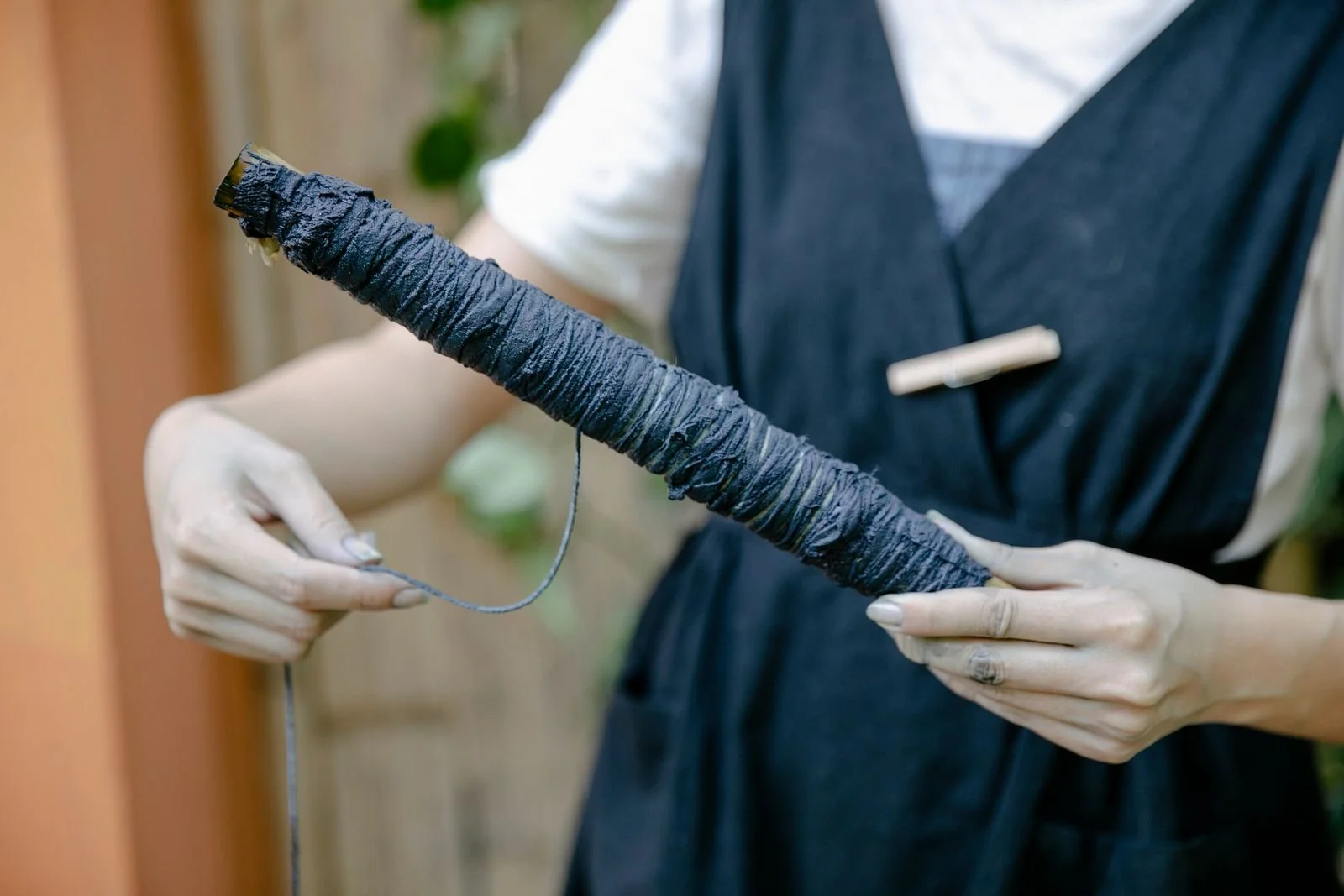
Naturally dyed brands I'm loving
Harvest & Mill: organic cotton basics grown, milled and sewn in the USA, mostly undyed and unbleached, plus a few naturally colored pieces.
KENT: plant-based organic cotton underwear designed to be home compostable when it's worn out.
Q for Quinn: organic cotton underwear colored with plant dyes.
Christy Dawn: dreamy dresses, some block-printed with plant dyes by artisans in India.
Triarchy: denim colored with natural indigo and clay in select styles.
Before you buy, check the product page for the dye details. Most of these brands sell both natural-dyed and conventionally dyed pieces, and the ones colored with plants will say so.
One swap at a time
No one changes their whole wardrobe overnight. I swap one thing at a time: a pair of undies, a set of sheets, a favorite dress. Every swap you make through Tried & True also helps feed our rescued horses at Heart of Gold Sanctuary.
With love, Suzy
Source: EU REACH restriction on azo dyes in textiles (Annex XVII, entry 43).
